Understanding Female Pattern Hair Loss

Hair thinning and reduced volume can be distressing for many women. Causes may include genetics, hormonal changes, stress, nutrition, or certain medical conditions. The pattern, type and areas affected often differ from male hair loss, and early assessment by a qualified hair loss practitioner can help determine the underlying cause.

Some forms of hair loss are temporary, while others may be ongoing. Your practitioner can help identify whether the issue is likely to stabilise, improve, or require ongoing management through tailored hair regrowth support.
Female Pattern Baldness

Female Pattern Hair Loss

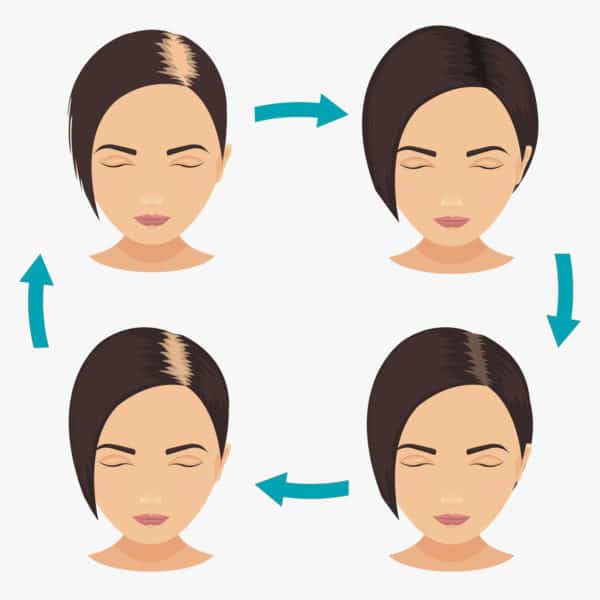
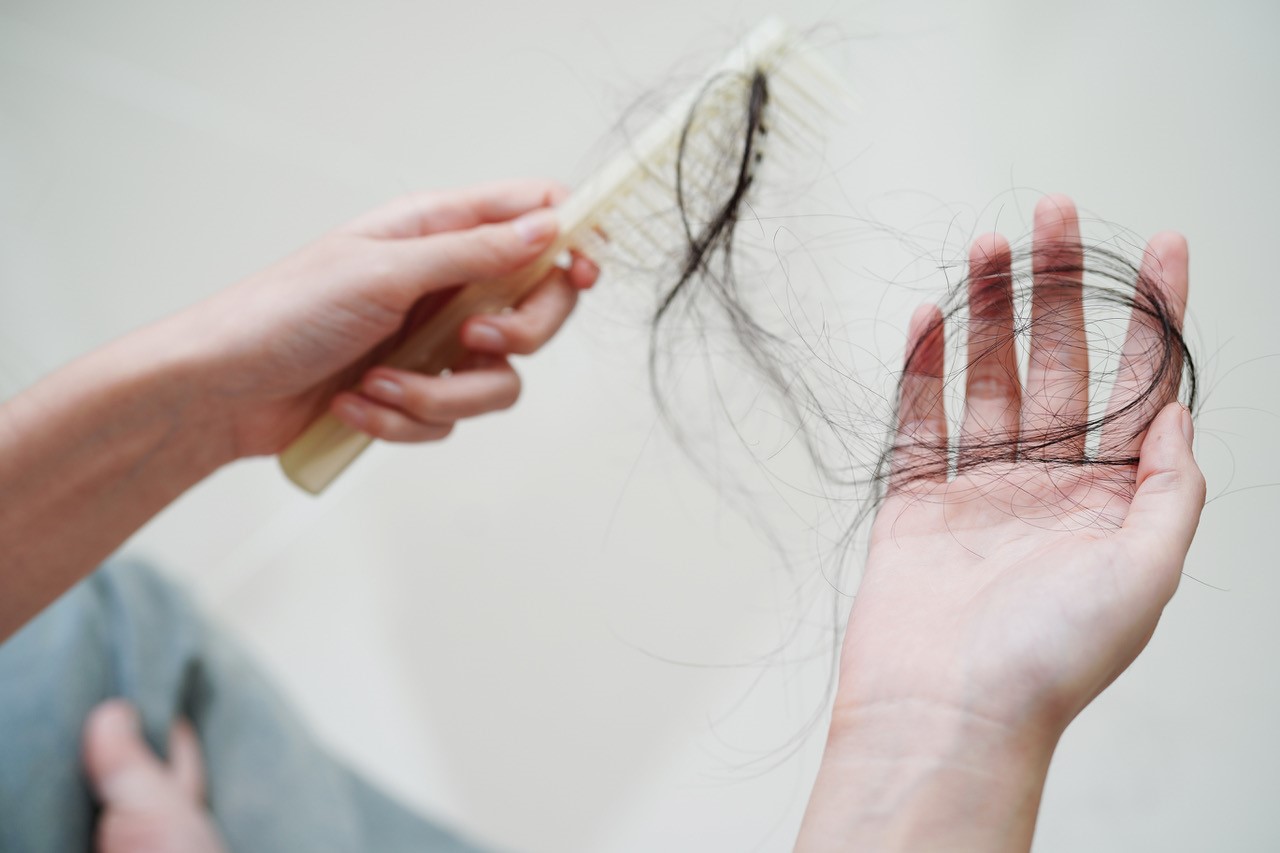
Female Pattern Hair Loss (FPHL), also known as Androgenetic Alopecia, is the most common form of hair thinning in women. This hereditary hair loss condition causes thinning hair which can be found around the centre part of the head and/or the crown area. You may notice you start to shed more hair than usual. In some cases, female hair loss can also cause a receding hairline. FPHL affects approximately 12% of women by age 30 and more than 40% by age 70. The hormone dihydrotestosterone (DHT) can play a role by shortening the hair’s growth phase and gradually miniaturising follicles. Other factors, such as iron deficiency, thyroid conditions, or polycystic ovary syndrome (PCOS), may also contribute to hair loss. Your clinician can discuss possible contributing factors and recommend a personalised plan that considers your goals, scalp condition, and medical history.

How does it occur?

The hormone responsible for female pattern baldness is Dihydrotestosterone (DHT). DHT is a potent by-product of testosterone when converted by the enzyme 5-alpha Reductase. DHT binds onto androgen receptors in susceptible scalp hair follicles causing the follicle to shrink (miniaturisation). Affected follicles become progressively smaller resulting in thick terminal hairs becoming thin vellus hairs. The anagen phase is also shortened, resulting in increased hair shedding. Eventually the follicle becomes dormant and fails to produce hair. There may be other underlying factors at play such as polycystic ovary syndrome (PCOS) or low iron, which our doctor can assist in diagnosing.

hair loss clinics in Melbourne

Postpartum Hair Loss

Many women experience noticeable shedding or reduced volume several months after giving birth. This is called postpartum hair loss, and it occurs because your hormones, particularly oestrogen, are returning to pre-pregnancy levels. While this type of shedding is usually temporary, it can still be upsetting.

Stress and Hair Shedding

Periods of physical or emotional stress can sometimes disrupt the natural hair growth cycle, leading to increased shedding. This temporary condition, known as telogen effluvium, occurs when more follicles enter the resting phase at once. The good news is that this type of hair loss often resolves as the body recovers.
Your practitioner may recommend strategies to support scalp and hair health during recovery, such as:

  • Ensuring adequate nutrition, vitamins, and hydration
  • Practising relaxation or mindfulness techniques to reduce stress impact
  • Using topical or laser therapies to maintain circulation and scalp balance
  • Avoiding aggressive styling or harsh chemical treatments during regrowth phases

Professional assessment helps confirm whether shedding is stress-related or linked to another type of hair loss, allowing for the right approach from the start.

hair loss clinics in Melbourne

Women’s Hair Loss Myths

“Washing your hair too often causes hair loss.”

 In reality, washing helps remove buildup and maintain scalp health. Shedding during washing usually reflects normal daily loss, not the cause of it.

“Only men experience pattern baldness.”

While men and women experience different types and areas of thinning, hormonal and genetic factors can affect both genders.

“Cutting your hair makes it grow faster.”

Hair growth starts at the follicle, not the ends. Regular trims improve the appearance of thickness but don’t influence regrowth rate.

“Hair loss is always permanent.”

Some forms, like stress-related or postpartum shedding, are temporary. Early assessment helps identify the difference between reversible and ongoing patterns.

Female Hair Loss Products - Bioscor International

Evidence-backed Treatments & Support Therapies

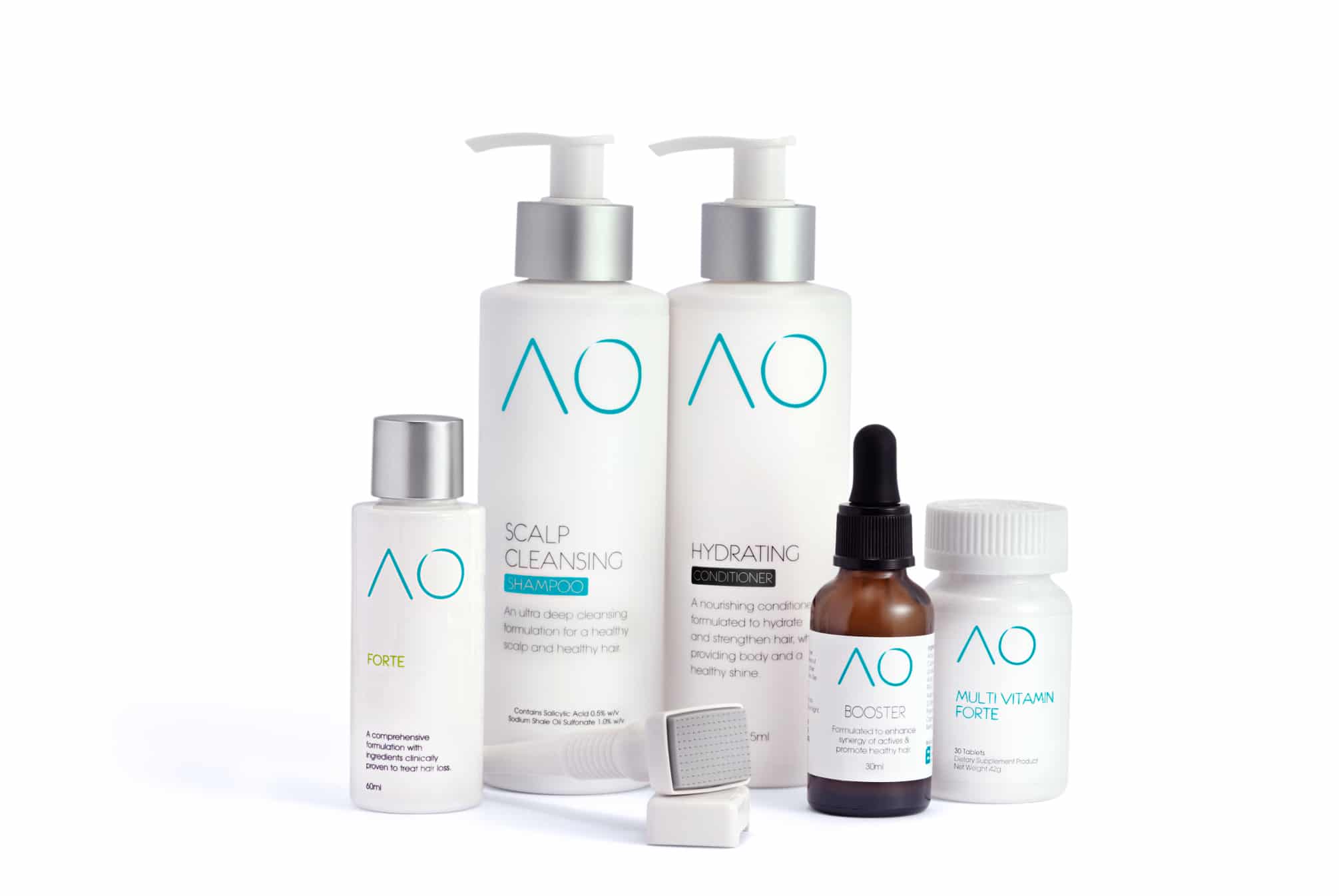
At Bioscor, our practitioner-led approach draws on over 30 years of experience in hair and scalp health. Our clinicians consider evidence-backed treatment options alongside your goals and preferences. Where appropriate, medical treatments may be prescribed by our doctors (after consultation). We may also recommend supportive products—such as shampoo, conditioner, serum or oils—formulated to cleanse, nourish and protect the hair and scalp. Over-the-counter care commonly includes nutrients (e.g. biotin) that support general hair and scalp health.

Note: Prescription items are not advertised to the public and are only available following a clinical assessment.

Female Hair Loss Products - Bioscor International
Prf Hair Female - Bioscor International

Platelet-Rich Fibrin

Platelet-Rich Fibrin (PRF) is prepared from your own blood and processed to concentrate the platelets within, which can release natural signalling proteins (growth factors and cytokines) when reintroduced into the scalp. The intention is to support the scalp and follicle environment and, for some people, the appearance of improved density or hair fibre thickness. For hair applications, the clinical evidence is emerging and responses vary. We’ll discuss potential benefits, uncertainties and risks before deciding if PRF is appropriate for you. Click here to learn more.

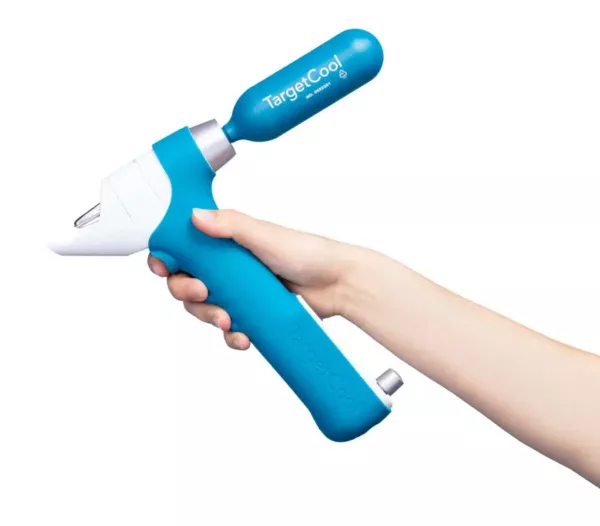
TargetCool

Exosomes Hair Treatment

Exosomes are small extracellular vesicles secreted by various cell types that help cells communicate. They carry proteins, lipids and genetic material that can influence recipient cells. In aesthetic medicine, exosomes are being studied for potential roles in skin and hair biology. Clinical evidence is still developing and outcomes vary. Any discussion is informational only and occurs under medical supervision, with potential benefits, uncertainties and risks explained. Click here for more information.

TargetCool

What Next?

Frequently Asked Questions

The hair growth cycle consists of three phases: anagen, catagen, and telogen. The anagen phase is the active growth phase, lasting 2 to 7 years. During this phase, 85-90% of scalp hairs are actively growing. The catagen phase is the transition phase, where hair shaft production is completed. The telogen phase, or rest phase, is the final phase. In this phase, a club hair is fully formed, resulting in a hard, white, and dry material at the root. Eventually, the hair is shed from the scalp.

Stress, hormonal imbalances, and poor nutrition can disrupt the hair growth cycle, causing more hairs to be in the telogen phase and fewer in the anagen phase. This results in thinner hair or increased shedding. Your practitioner may discuss how to restore optimal scalp conditions through a combination of nutrition, topical care, and non-invasive therapies.

Most clients begin with a consultation and follow-up every few months to review scalp health, product tolerance, and progress. The exact frequency depends on your individual program and hair type.

Costs vary depending on the therapies or products recommended. Your practitioner will outline all options and pricing transparently before starting.

Our program combines medical oversight, topical care, nutritional guidance, and regenerative therapies to support scalp and follicle health. Every plan is individually designed following a professional assessment.

Natural ingredient oils are sometimes used to complement broader care plans. While they may support scalp condition, clinical evidence for significant regrowth remains limited.

Some therapies may cause scalp mild irritation or temporary shedding as part of the adjustment process (common side effect of effective hair loss treatments due to the acceleration of the hair’s natural growth cycle). Your practitioner will discuss any potential side effects in detail before treatment begins.

You don’t need to lose your hair.

Regrow your confidence!