
PRF (Platelet-Rich Fibrin) for Hair Loss
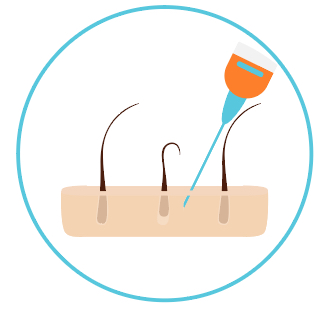
Platelet-Rich Fibrin (PRF) is a regenerative, autologous PRF treatment used to support scalp health and the hair follicle environment. It uses a concentrate prepared from your own blood, containing growth factors and cytokines, which is reintroduced into the scalp as part of a broader hair loss management plan.
At Bioscor, PRF for hair loss is offered as a factual, procedure-led option following a health-practitioner consultation. This page explains what PRF is, how it differs from PRP, what the procedure involves, and what to expect from aftercare.
What Is PRF (Platelet-Rich Fibrin)?
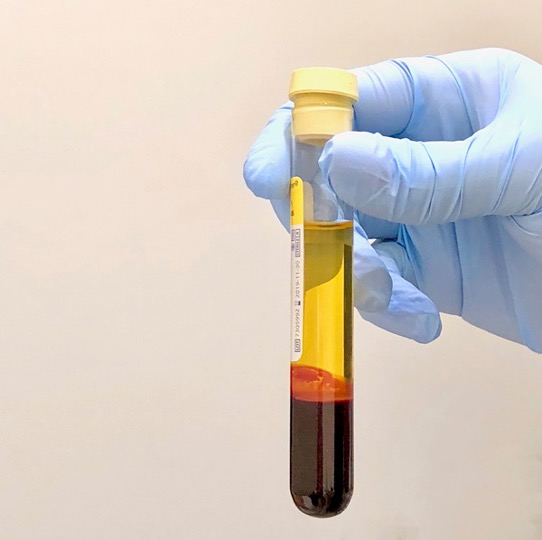
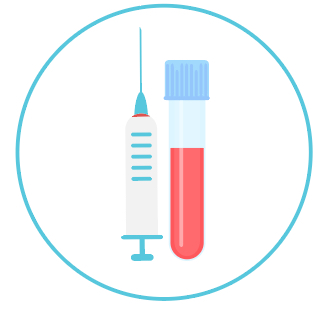
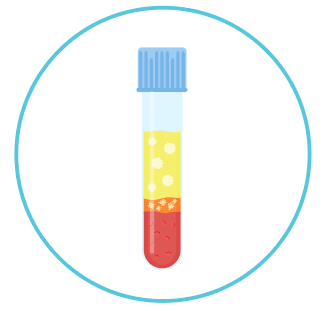
PRF is prepared from a small sample of your own blood, spun in a centrifuge to concentrate platelets, growth factors and cytokines within a natural fibrin matrix. Because no anticoagulants or other chemicals are added during preparation, the clotting process is retained, which allows the fibrin scaffold to form.
This fibrin matrix is designed to release growth factors gradually into the scalp tissue, supporting the natural wound-healing response around hair follicles. As an autologous procedure, PRF is often considered by people who prefer a treatment sourced entirely from their own body.
Is PRF Right for You? What a Consultation Covers
PRF isn’t suitable for everyone, and suitability is only confirmed through a proper medical assessment. A consultation with our practitioner will cover your hair and scalp history, general health, and any of the following factors that may affect candidacy:
- Pregnancy or breastfeeding
- History of cancer or autoimmune disease
- History of severe allergic reactions
- Active infection or inflammation
- Bleeding disorders or anticoagulant therapy
- Immunosuppressive therapy
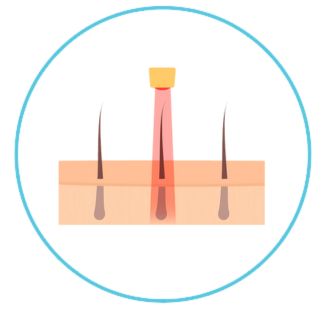
Your practitioner will also discuss how PRF may fit alongside other elements of a broader hair and scalp plan, such as scalp hydration, gentle conditioning products, nutritional factors, and low-level laser therapy. Any prescription-only options are only considered following individual consultation with a registered health practitioner.
If you’re still assessing your hair loss pattern before booking a consultation, our articles on early signs of hair loss in men and women and decoding the hair loss treatment process may help you understand what to look for.
What to Expect During and After Treatment
PRF injections may cause mild discomfort or a brief stinging sensation, and are usually well tolerated without topical or local anaesthetic. Your practitioner will explain possible temporary effects such as redness, tenderness, swelling or bruising at injection sites, so you can plan around work, exercise, or your hair care routine in the days following.
There’s no required downtime, though your practitioner may suggest simple aftercare steps to support your scalp’s recovery.
Results
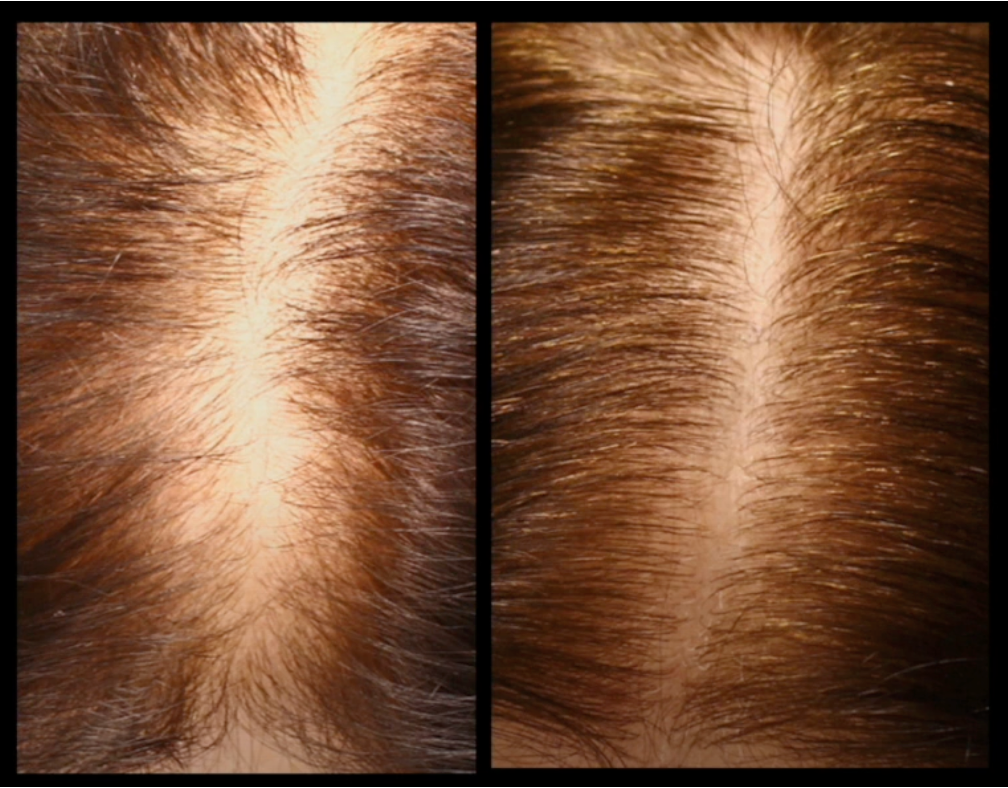
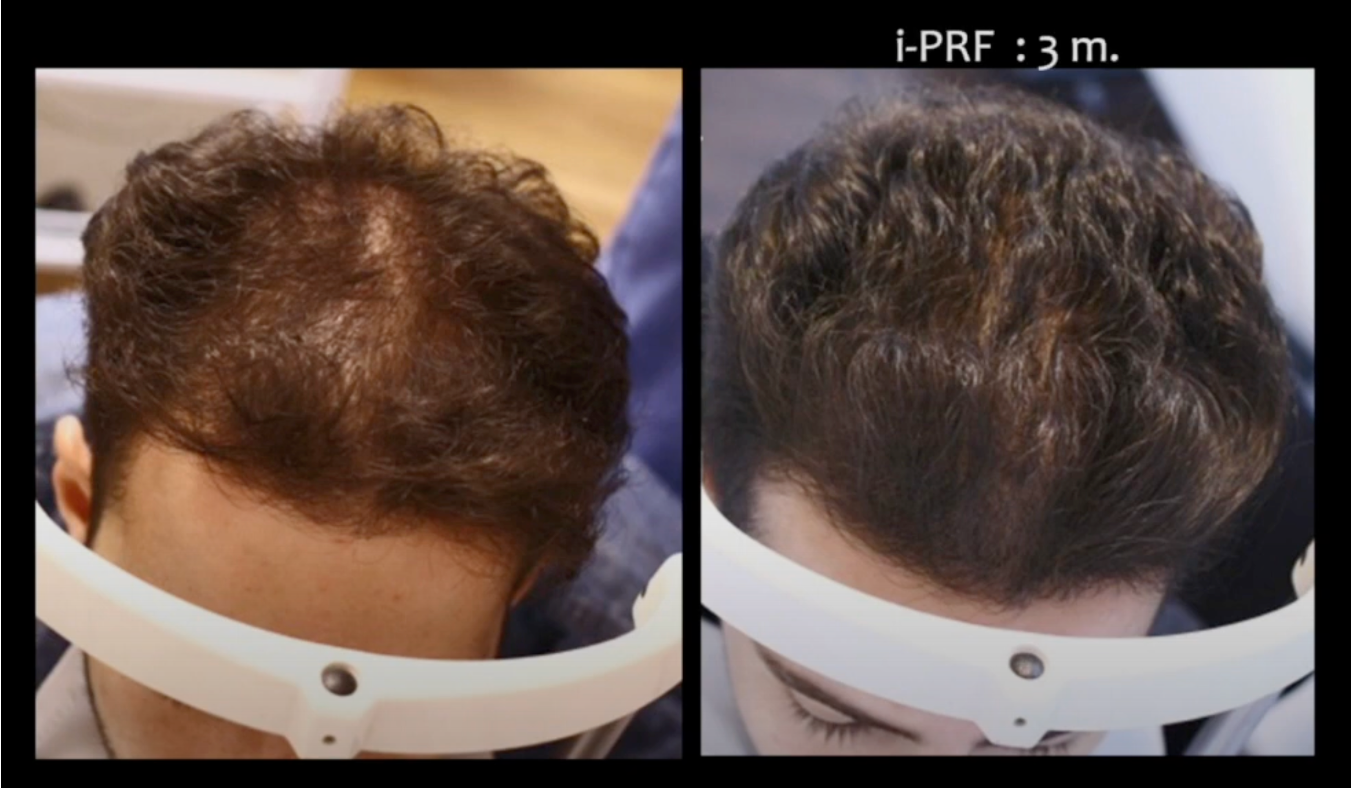
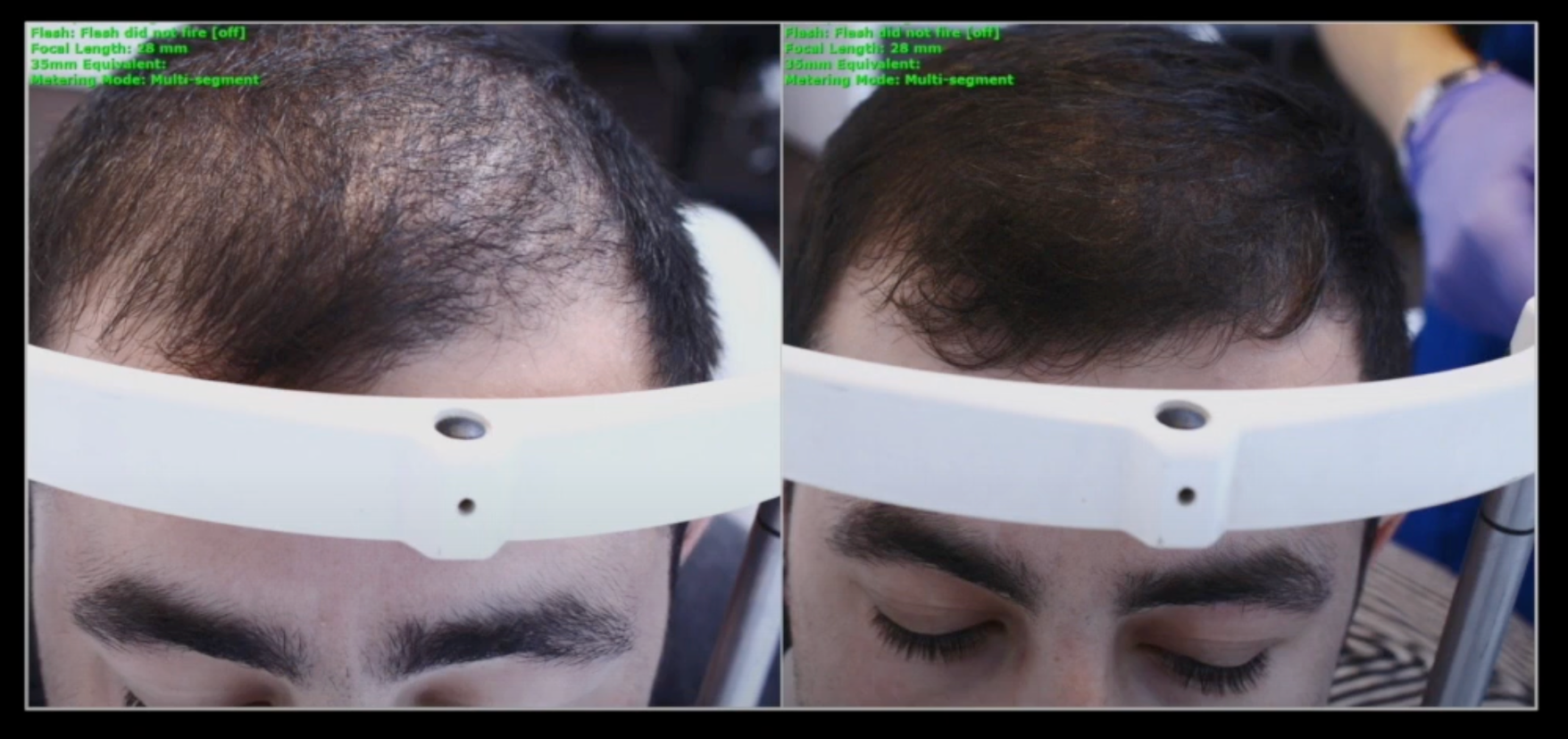
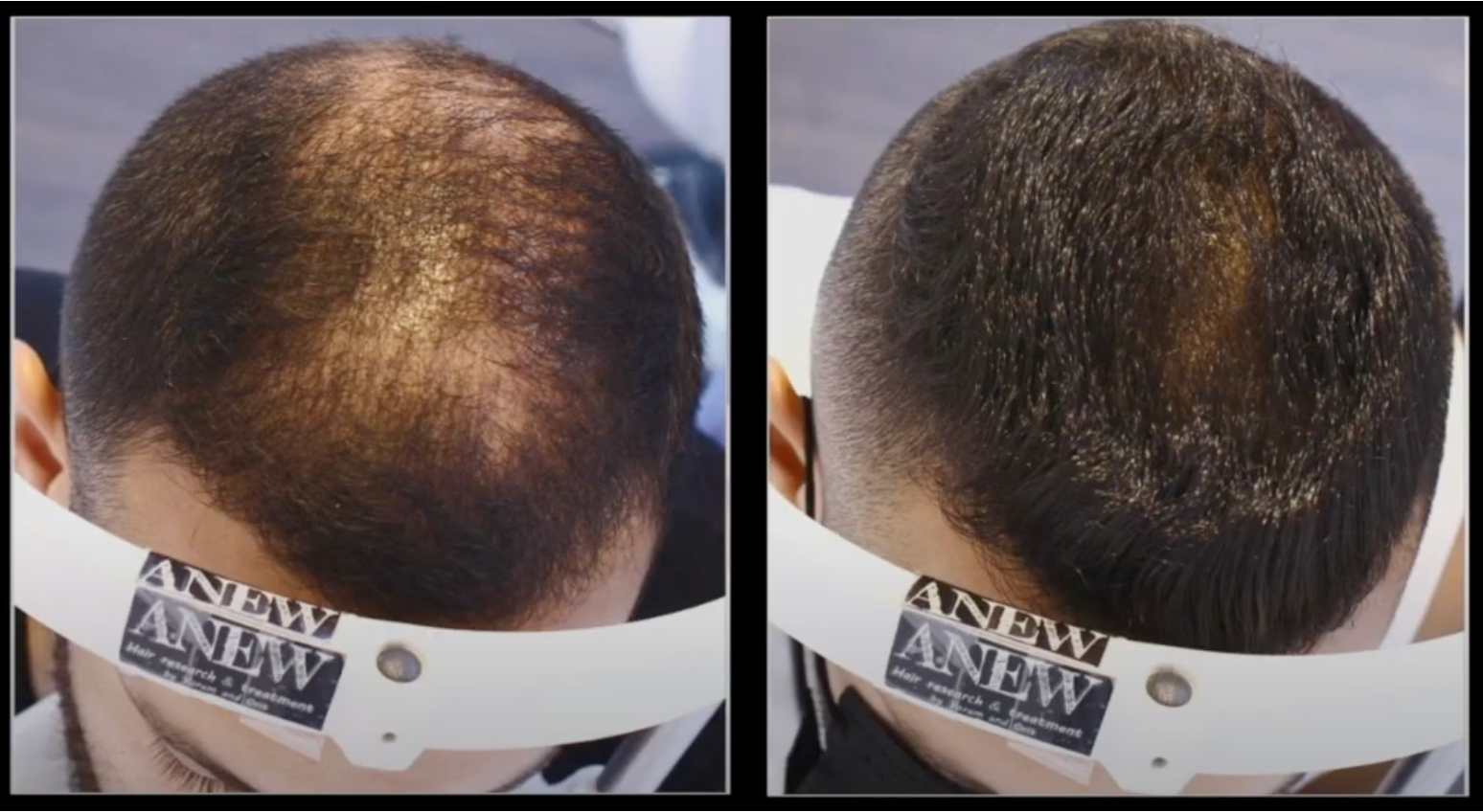
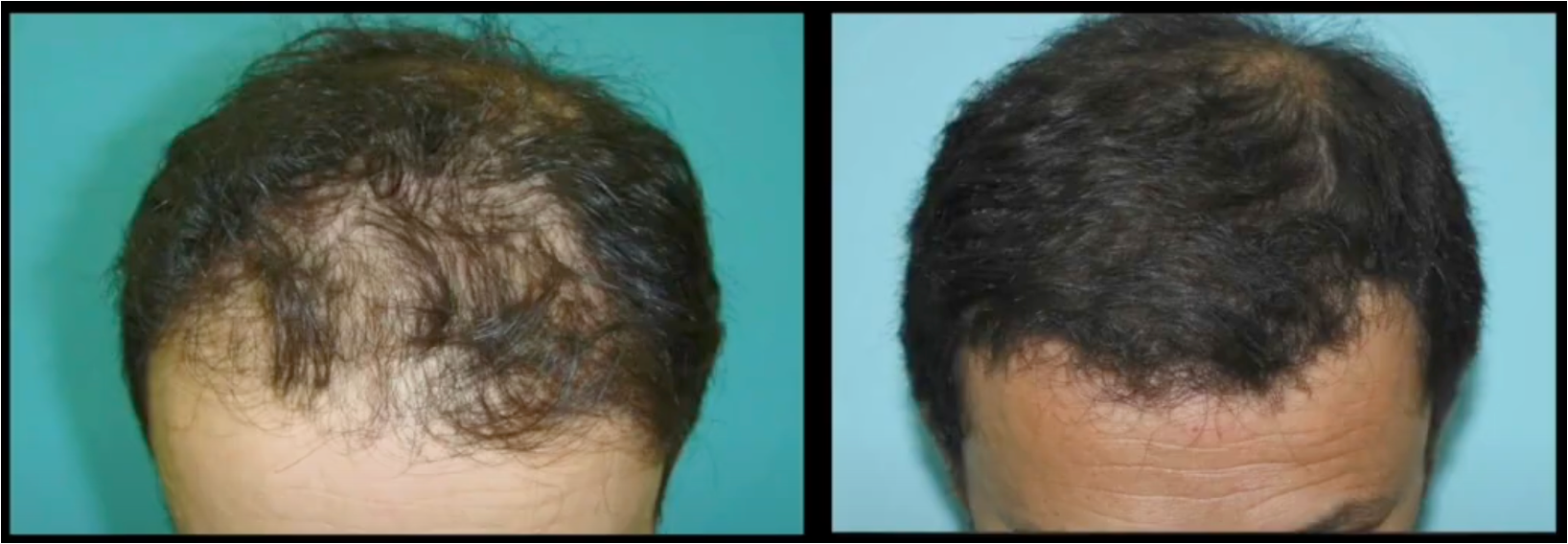
Some people notice gradual changes over several months as part of ongoing care; others may take longer or need plan adjustments. Individual results vary.
Patient images shown below are from the video ‘ENGLISH – PRF in Aesthetics, Plastic Surgery & Dermatology’ by Process for PRF, available at here. Accessed on [20th August 2024]. Images are illustrative; lighting/angles/timeframes vary and they are not intended to predict individual outcomes.
FAQs
Book a PRF Consultation
PRF treatment for hair loss starts with a proper consultation, not a booking. Our practitioners will assess your scalp and hair condition, talk through whether PRF is appropriate for you, and outline what a realistic treatment plan could involve.
This page is only intended to provide factual information to educate individuals who are interested in learning more about the treatment. Our clinic offers a health-practitioner-led consultation. Depending on the outcome of the consultation, this may or may not lead to the provision of a prescription.